
Learn to love natural hair
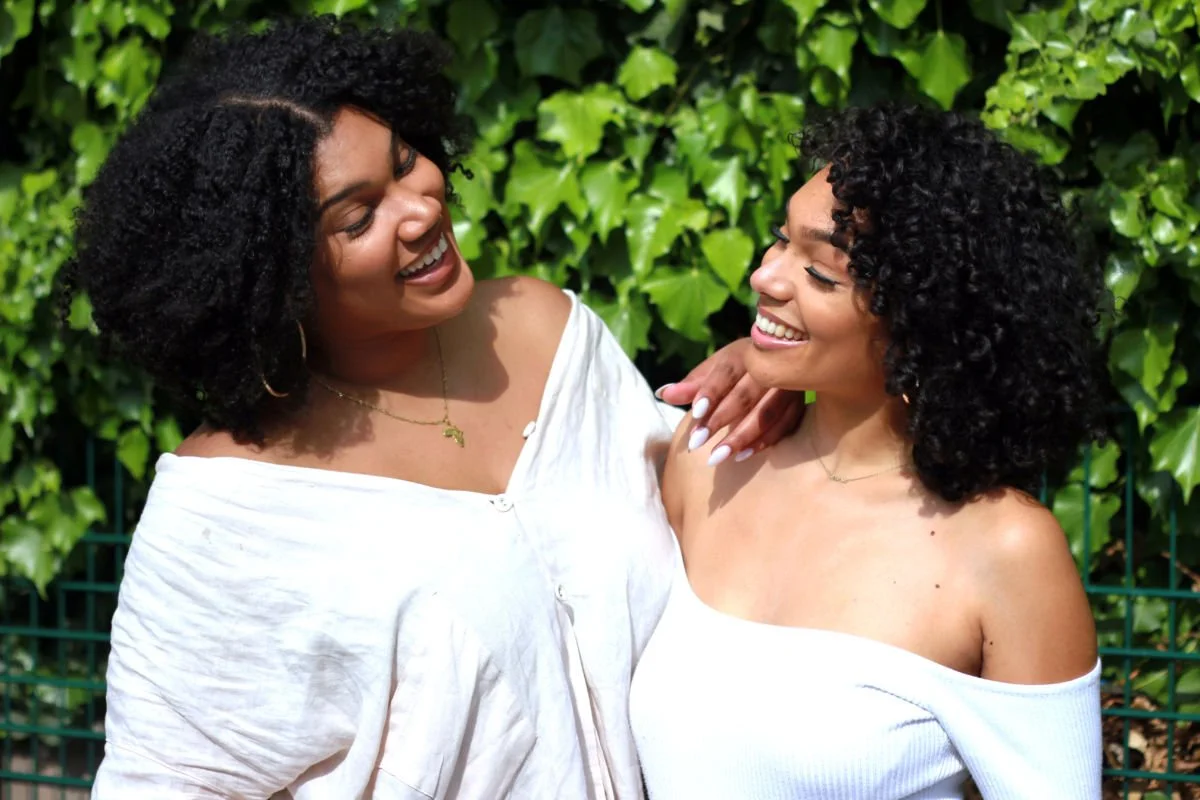
Despite varying across different times and cultures, beauty standards are often considered universal truths, common sense, or “just the way things are.” The reality is that colonialism and white supremacy have standardized a Eurocentric ideal of beauty that favours a very specific hair type: smooth, shiny, fine, and straight.
Straight hair is perceived as elegant, sleek, and proper, while curly or coily hair is seen as messy, dirty, and unkempt. These microaggressions ultimately communicate the same thing: texture is lesser.
How many curly-haired girls have had to go to school with short, brushed-out, or heat-damaged hair to fit in with their classmates? How many curly-haired boys have had to cut or shave their heads for the same reason? How strong is the urge to straighten your hair before an interview to look “professional?” Most, if not all, people with non-straight hair have experienced this.
It’s true that representation has come a long way in the last decade, but social media and the entertainment industry still struggle to include coiled textures, afros, braids, twists, and locs. When these styles are depicted, they are often criticized, joked about, or treated as radical exceptions. There remains an implicit assumption that textured hair is “other” and must earn its place.
There is also a misunderstanding that wearing natural hair is only about aesthetics.
It’s not. For many people — especially Black and Brown women and girls — natural hair is a symbol of one’s identity, pride, or culture. Others wear natural hair as an act of resistance against Eurocentric beauty standards. Some may want to avoid harsh chemicals, improve their hair health, or are taking the first steps toward embracing their hair rather than viewing it as an obstacle.
One of the most inspiring things a young person of colour can see is someone that looks just like them wearing their hair in its natural state. Their confidence becomes infectious, and we learn to accept ourselves in turn.
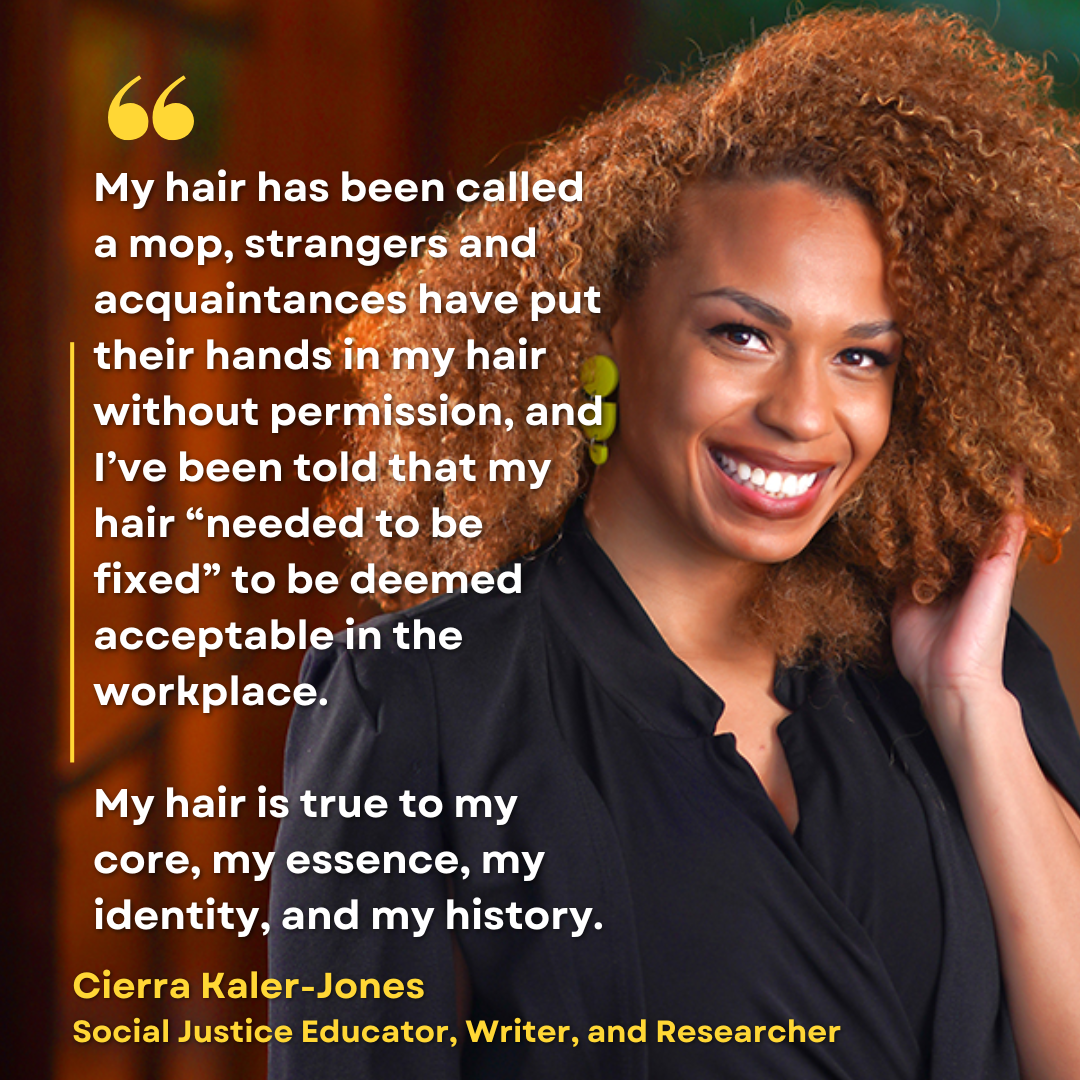
However, celebrating natural hair should not come at the expense of those who choose to keep their hair short, use relaxers or silk presses, or wear wigs and extensions. To be extremely clear, a person’s choice to wear their hair in a particular way should remain exactly that: a choice.
The problem occurs when that choice is made because of societal pressure. When someone feels obligated to straighten their hair for an interview, a social outing, or to avoid stares and remarks, conforming acts as a survival strategy rather than a form of genuine self-expression.
Curls, coils, and kinks were never the problem. Beauty standards have long profited from our insecurities and desire for acceptance, but they are not immutable. If we can determine when something beautiful becomes ugly, then the same must be true in reverse; just as the standard can shift into place, it can always shift away.
We must stop treating natural hair textures as anomalies, trends, or political statements and simply accept them for what they are: hair.