
Support on Campus: What to Know about the Student Medical Response Team
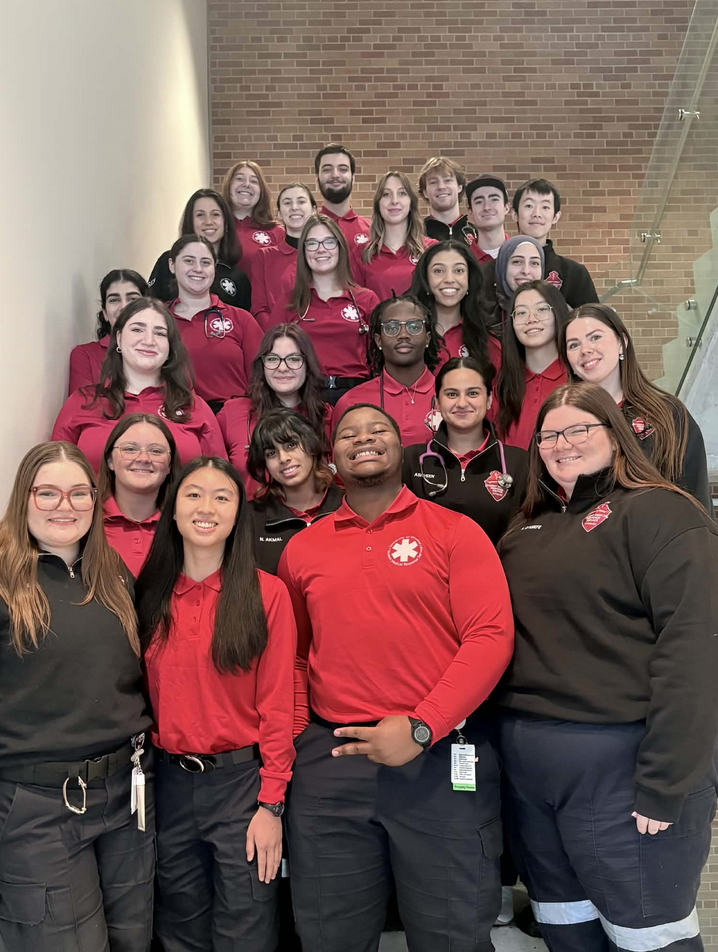
The entire team during Refresher Training in January.
In emergency situations, every second counts, and response time can make all the difference. What many students may not know is that a dedicated team of trained peers is often among the first to step in when help is needed. The University of Windsor’s Medical Response (UWSMRS) Team plays an important role in providing immediate care at campus events and across university spaces, working to keep the student community safe and supported.
Originally called The University of Windsor Emergency Response Team (UWERT), it was founded in 1997 by a group of students who wanted to educate, promote, and advocate for emergency care to the University of Windsor community. The team was developed in conjunction with Health Services, Campus Police, UWSA, and the University’s Occupational Health and Safety Committee. It was rebranded in 2015 to UWSMRS and is run by volunteer University of Windsor students.
The current team is made up of 28 trained volunteers who provide 24/7 medical service to the main campus during the fall and winter semesters, as well as on standby events as they’re requested. All student responders are trained in Standard First Aid and CPR/Basic Life Support (BLS) with 80 hours of Emergency Medical Responder (EMR) training, working under the same scope of care as BLS firefighters in Ontario. While most members are in the nursing program or future-medical students seeking experience with patients in a critical care setting outside of hospitals, students of all backgrounds are encouraged to apply.
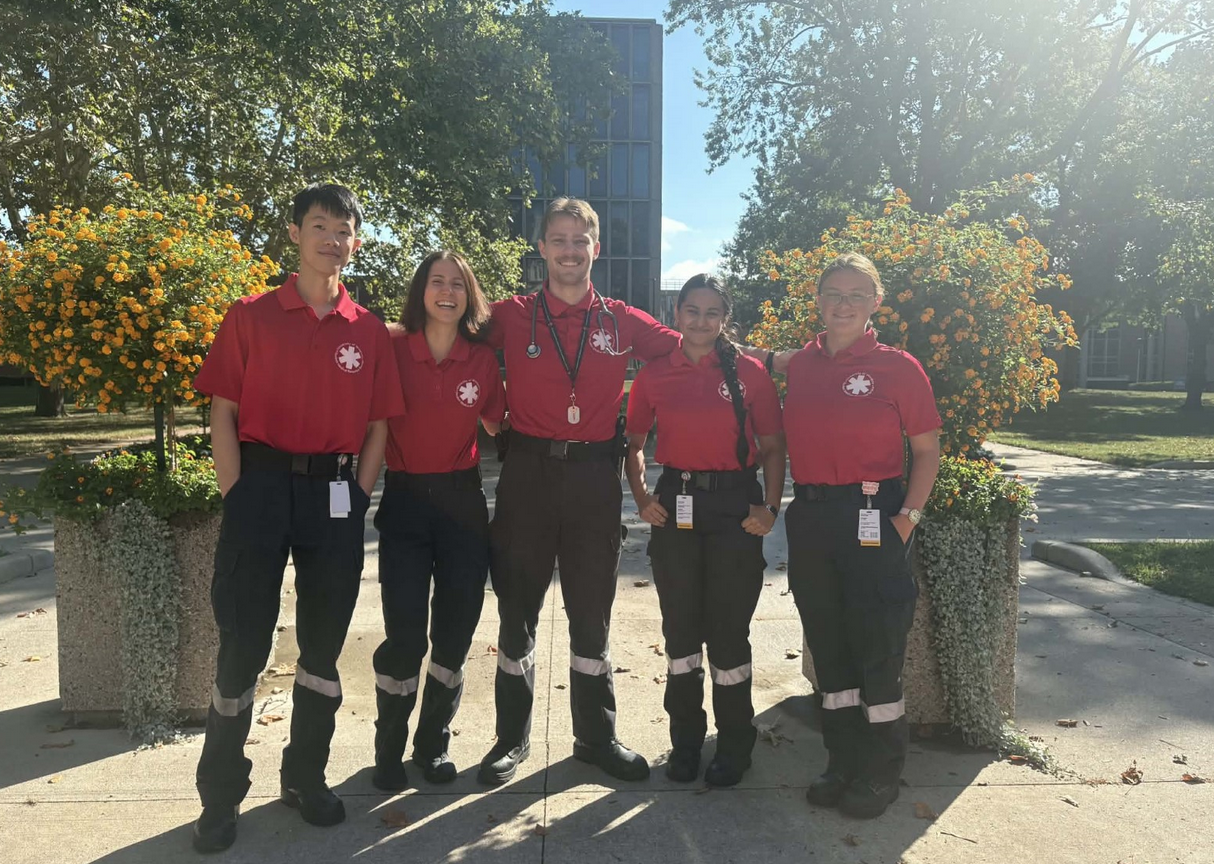
The executive team. From left to right: Elliott Mao - Training Manager, Ava Mammarella - Operations Manager, Nigel Hocking - Program Coordinator, Ashveen Dhillon - Public Relations Representative, Natalie Fortier - Executive Assistant.
EMR training allows students the opportunity to apply their knowledge in realistic scenarios that reflect the types of medical and mental health situations that can occur on campus. These can range from minor injuries where only a band-aid or ice pack is needed to more serious emergencies where oxygen administration or spine immobilization is required. By working through scenarios, students can build the practical skills and confidence needed to respond effectively to on-campus emergencies.
With an average response time of under four minutes, UWSMRS plays a critical role in the moments before EMS arrives. According to statistics, in cardiac emergencies, every minute without defibrillation can reduce a person’s chance of survival by 7 to 10 percent. Having trained responders on campus allows for immediate intervention, including CPR, AED use, and advanced skills such as airway management and oxygen administration, helping to reduce the risk of long-term injury.
The team doesn’t replace EMS but plays a critical role in bridging the gap by offering immediate care and helping guide patients toward the appropriate next steps. By providing immediate care on campus, the team helps free up EMS resources for more critical emergencies, reducing system strain and the prevalence of a Code Black – a period when no ambulances are available to respond to calls.
Beyond responding to emergencies, UWSMRS is committed to building a proactive and prepared campus community. Through ongoing training and real-world experience, members develop skills in leadership, communication and critical thinking that extend beyond emergency care. The goal of the team is to continue raising awareness with more community outreach and to continue building relationships with campus partners. In addition, UWSMRS is looking to grow the team in the future. With the combination of service and skill-building, UWSMRS is a unique opportunity for students looking to make a meaningful impact on campus.
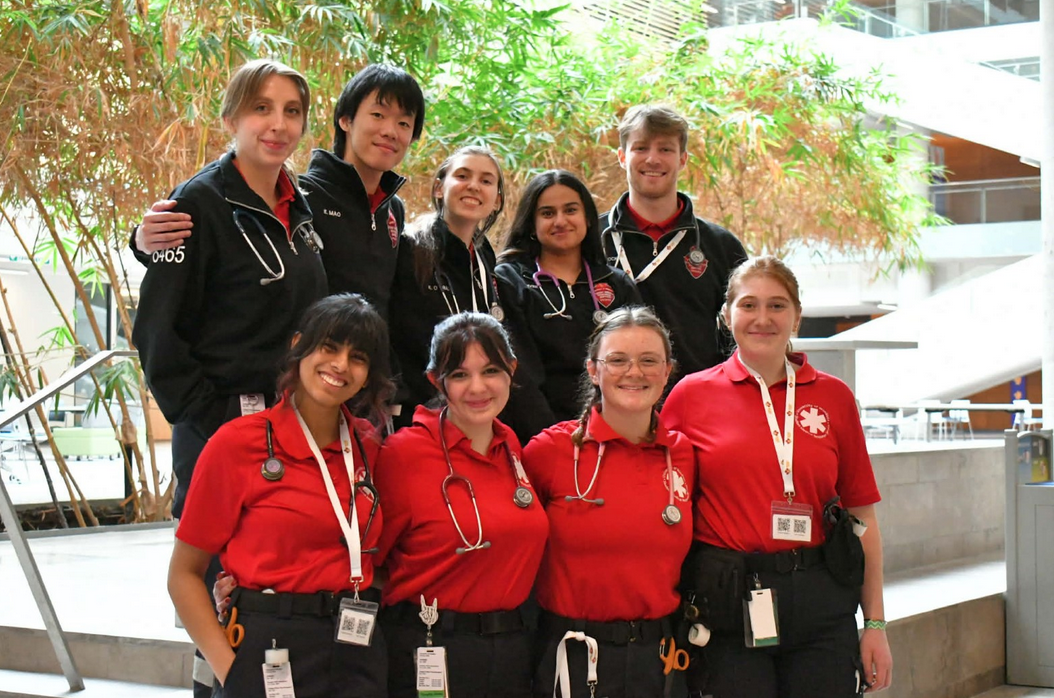
Photo from the medic conference the team attended at the University of Waterloo in March - competing against medic teams from schools across Ontario and Canada. See more here: https://www.acert.ca/nccer-2026/
Students looking to join are encouraged to follow @uwsmrs on Instagram for updates on recruitment. Individuals must have their CPR-Basic Life Support with AED and Standard First Aid Certification to be eligible to apply. For any inquiries, students can contact uwsmrs@gmail.com.
For any on-campus emergencies;
Call 911 or 4444 on any CAMPUS PHONE and request UWSMRS assistance.
From your CELL PHONE dial 519.253.3000 ext. 4444 or use any BLUE-LIGHT PHONE on campus and request UWSMRS assistance.
Contact uwsmrs@gmail.com for standby event coverage - indicate event name, # of people attending.