
| Opinion articles are written by and represent the personal views of independent student contributors, and do not necessarily represent the opinions of the Lance’s editorial board.
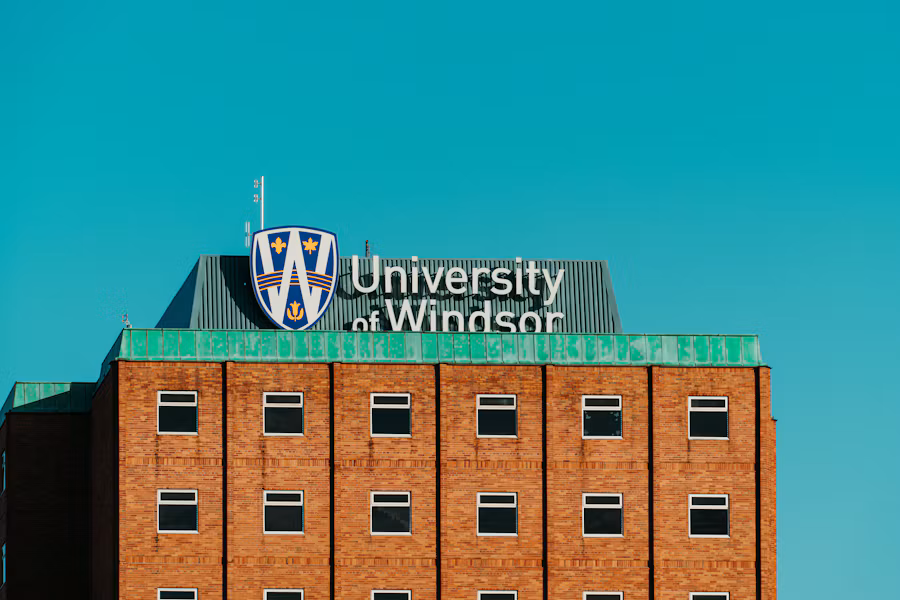
| Hermes Rivera / Unsplash
The Supporting Children and Students Act, also known as Bill 33, has been widely criticized as an infringement on the independence of public schools and universities in Ontario; from effectively replacing elected trustees to controlling admission criteria, the bill overreaches into the very autonomy of our schools and threatens its entire ecosystem.
Bill 33 allows government officials to regulate universities’ admissions criteria that accept or deny students — an overreach if there ever was one. Government involvement in admission decisions gives the province an ominous amount of control, effectively sweeping the rug from under students’ feet.
How can we, as a society, say that everyone has equal opportunities when programs have strict barriers to entry that are controlled and decided by the government?
Should it not be up to the universities to decide what measures they will admit students into the programs they have created?
When the province is given the liberty to decide what constitutes a student’s merit, the freedom for students to choose their own path through their education is lost.
Bill 33’s amendments also undermine many equity-driven resolutions created by universities to combat the systematic oppression and under-representation of marginalized communities.
Many Ontario universities have developed their admissions policies to account for personal and systemic barriers that may have otherwise affected a student’s admission into a particular program.
For example, Ontario Tech University states that when considering candidates, they take into consideration socioeconomic status, disabilities, and immigration status.
Even in our little city of Windsor, Bill 33 moves to displace the dependable functioning of the UWSA by allowing the government to control which ancillary fees are mandatory or optional for students.
The repercussions of such a choice will be felt most severely by the student associations and clubs that rely on consistent funding from the UWSA, as there will be significantly less economic protection or support available.
Without the right to advocate for our student services — which include counselling services, career-oriented societies, and student job opportunities — their funding may be cut to keep them afloat, or eliminated entirely.
A similar situation happened at Brock University in 2019, when ancillary fees were made optional by government regulations.
Student life took the hit: nearly $500,000 of funding for student groups and services was lost, even though the opt-out rate was only 20 per cent. In one swift motion, the province has once again threatened students’ voices, prospects, and control.
This legislation also requires schools to permit police officers under the guise of “school resource officers,” who have been known to behave discriminately and disrupt the teaching environment.
Why should any school be forced to allow historically intimidating authoritative figures around young, vulnerable students? Nobody should feel scared to go to school, and with attendance rates at an all-time low, we cannot give children any more reasons to avoid the classroom.
Bill 33 shows not only a lack of caring from the government, but also a concerning want for control and power over schools.
The fact that much of campus is sustained and independently operated by students is the reason its student life has been able to thrive. Take, for instance, the Lance! It was students who brought it back, students who publish articles, and students who are committed to uplifting and maintaining campus spirit.
Where would S.T.E.M students be without the Science Society to support them? How could business students showcase their philanthropy and innovation if Enactus were defunded? Ancillary fees allow for us, the paying students, to access and benefit from our many crucial clubs and associations.
No matter how you slice it, Bill-33 is bulldozing our academic futures along with what characterizes our campus.