
You Don’t Need an Apology to Move on
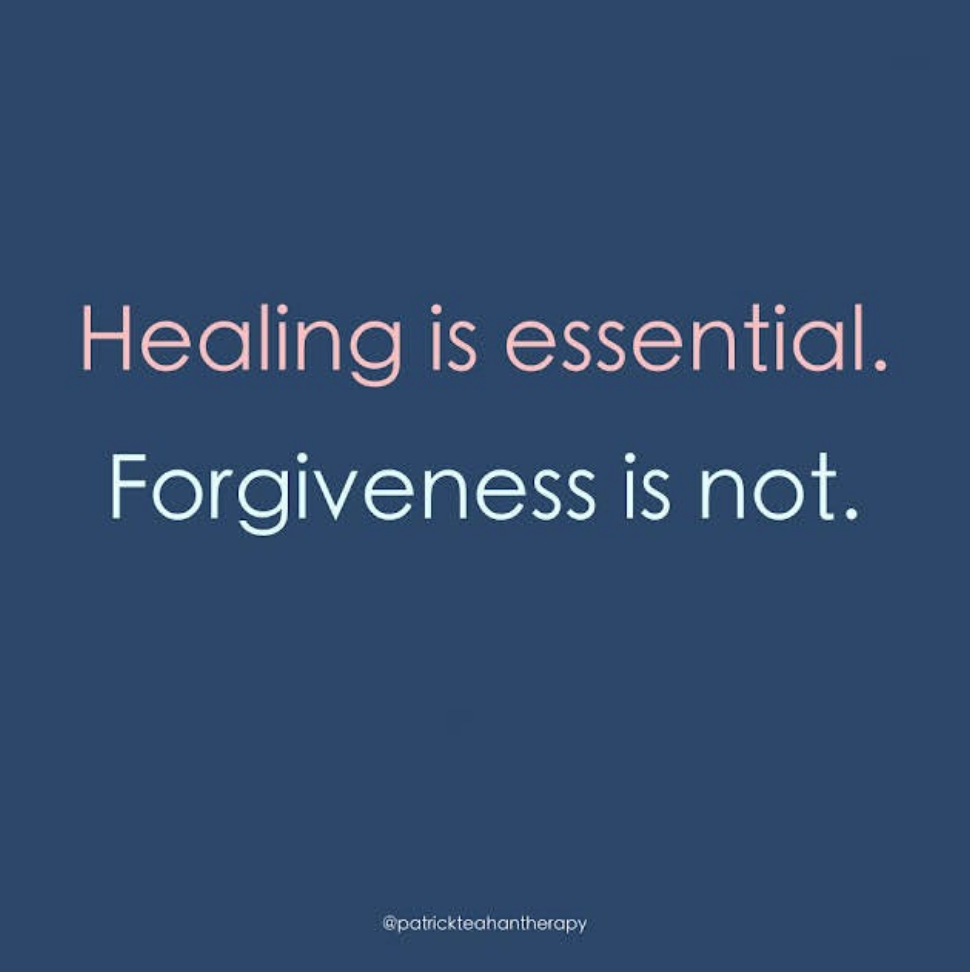
Photo from Patrick Teahan’s Instagram
Despite the healing process being notoriously non-linear, people still think it’s a cut and dry process. Someone hurts you, they realize it, they apologize, you forgive them, and you both keep it pushing. But when has reality ever respected that kind of structure? Sometimes the apology never comes, and in those cases, it’s important to learn how to heal from your hurt when the other party doesn’t admit that they’ve wronged you.
There is a painful waiting that a lot of people get stuck in after conflict or heartbreak. Waiting for a message, accountability, for the other person to admit they were wrong so that your pain feels validated. It starts to feel like that apology is the final missing piece, the only thing holding your wound back from closing. But do you realize how much power you’re giving that person? How you’re letting them control your psyche?
A large part of modern emotional culture has trained us to expect resolution in the form of confrontation. If something goes wrong, it must be discussed. If someone behaves badly, they must be called out. If harm is done, there must be some form of confession. And while accountability matters, this framework implies the expectation that healing is something granted by the person who caused the harm.
But not everyone will apologize. Not everyone thinks they did something wrong. And some people simply disappear, leaving silence where closure is supposed to be. In those cases, then what? Do you stay stuck in that moment indefinitely, ruminating over it, until the sting goes away on its own? It’s a tough pill to swallow; that closure is neither something given to us, nor something that can be outsourced.
Moving on without an apology doesn’t mean pretending nothing happened. Doesn’t mean excusing the behaviour or minimizing its impact. Doesn’t mean filling that empty space with forgiveness instead. It means accepting that your healing process cannot be held hostage by someone else’s stubbornness. Believing that your healing relies on someone’s repentance builds an unfair power dynamic. It keeps the offending party, even in absence, still actively involved in your emotional life. It turns your peace into something they are responsible for. And whether intentional or not, that gives them more influence than they deserve.
Healing is not meant to be a negotiation. It’s not about both parties, it’s about you, and it’s about you moving forward through all the emotional setbacks that come with it. There is also an incredible freedom in letting go of the idea that an apology would fix everything. Sometimes it doesn’t. Sometimes it’s nice to receive one even when it has no meaning to you. And always, even the perfect apology cannot undo the damage. It’s a matter of forgetting about the other party, and that will always be difficult, but as cliche as it sounds, it will get better with time.
Moving forward is not dependent on resolution from the past. It is dependent on the decision to stop standing still in it and remember that the future is waiting for you; a healed, hopeful, stronger version of you built to take whatever comes at you next. u