
More Than Sobriety: How One Student Is Building Community Through Recovery
Ben Moradi, a third-year psychology student here at the University of Windsor is making real-world change for recovering addicts. On Wednesday June 3, Moradi publicly launched SobrCircle — a recovery app built right here in Windsor that sheds a more hopeful outlook of the journey.
A Brentwood Recovery Home alumni himself, he realized no recovery apps were made by addicts themselves and possessed full access to all core features.
Tech companies have treated addiction as a conversion metric, designing and advertising products for monetization rather than recovery. “Having lived through addiction and recovery myself, I wanted to build a platform where privacy comes first and real connection and healing is the purpose.”
Addiction has been at the forefront of many conversations in Windsor-Essex County, and too much of that story is about loss. Two weeks after the launch, Moradi wakes up to notifications of users’ milestones celebrating days sober.
“To me, and I hope others, it’s proof that someone who has experienced addiction firsthand can recover, rebuild, and create something that gives back to others.”
Users are also only discoverable through a private code they choose to share, allowing them to remain anonymous while building meaningful connections.
In the spirit of recovery, SobrCircle is self-supporting. The app caps scale not features. Every user has free access to every core feature, and no one is locked out of the tools they need. Instead of charging for recovery, limits are placed on growth-related features such as circle size and creating groups or meeting rooms, while invitations remain free for newcomers to join these groups and rooms. This approach helps cover storage and server costs without relying on ads, selling user data, or putting recovery behind a paywall.
Unlike other recovery apps, SobrCircle has transit routes to meetings. Bike rides and bus routes are also added as a unique feature since Moradi thought out that a lot of people don’t have vehicles.
As a kid, Moradi was building websites at five years old, “I’ve always been a nerd at heart”. This idea of an app manifested through his life and working in the recovery field seeing gaps.
He had the confidence from being employed at Brentwood as a project coordinator, where he organized peer support training and organized events to help recovery, with over 70 people attending the courses. Working full-time while in university was when he realized he could help more than seventy people through his very first passion project.
A deeper and more personal reason also pushed Moradi to really do this: “My ex-partner downloaded a recovery app and I got charged $50. Well, I felt like it was a scam after the seven-day trial and I told her I could build something better. A part of my motivation was the thought of her using it one day.”
Launching his own software company in February 2026, Moradi Labs, named after his three daughters Leyla, Adessa, and Bella, he didn’t know then what the S would stand for. "It just sounded better with it,” Moradi said. Now that S could stand for SobrCircle as he is not just a father but a founder. Moradi remarked, “I get to build apps that I feel like are going to change the world. I choose the mission statement. Grounded in my own faith and moral beliefs. A company to help people.”
SobrCircle went through 19 iterations of beta testing on a private community. The proof of concept was completed mid-March and by that time, 50 people were beta testing for Android as well as Apple. During the process of bug fixes, Moradi faced many challenges: “Apple’s process took a month for each small fix, such as requiring sign-on fields to be pre-filled. This is recovery we don’t want it pre-filled.”
Another kink in the road was when Moradi was rejected again by Apple for the word “cocaine”. The automatic scan of meta-data kept flagging it, but Moradi needed the word for meeting titles. After explaining it in the reviewing process, Apple approved. With every red flag, Moradi had to wait five to seven days to delegate it with a reviewer.
“I had no problem with the obligations of Apple, they ensured the app is safe for the user, so I completely understood.”
Now users are free to post safely and privately within a community that understands. It is freeing to be more vulnerable without judgement. Accountability has been the biggest gain to come out of this app. Anonymity is one of the principles and traditions in recovery therefore it was a non-negotiable for Moradi to give a platform for users to create a safe space of their own choosing. People in recovery often spend more time alone than in meetings, but Moradi changed this notion. Through the use of an app, no one is ever alone anymore, the lights are always on.
“All you need is an email to sign-up and verify you’re an actual user, that’s how little data I collect. You could even use a burner email.”
“I want the person who just blew up his life and lost his credit card to be able to use it”, adds Moradi.
SobrCircle includes:
• 195,000+ recovery meetings with live in-app navigation
• A sobriety tracker
• Free home and lock screen widgets
• Private messaging and support circles
• No ads and no contact syncing
• Journaling, Milestones, and more
More information, photos, and app links can be found at sobrcircle.com. If you are struggling or know someone struggling with addiction, this is a valuable resource for help.
“I hope as this app gains traction, people will reach out to me and tell me what they want for the recovery community. The next addition and step for me is adding a supporter mode to the app. People outside of recovery that support you would have access to parts of your journey like the tracker and milestones that the user chooses to share. So, the people that care about you can celebrate the wins with you.”
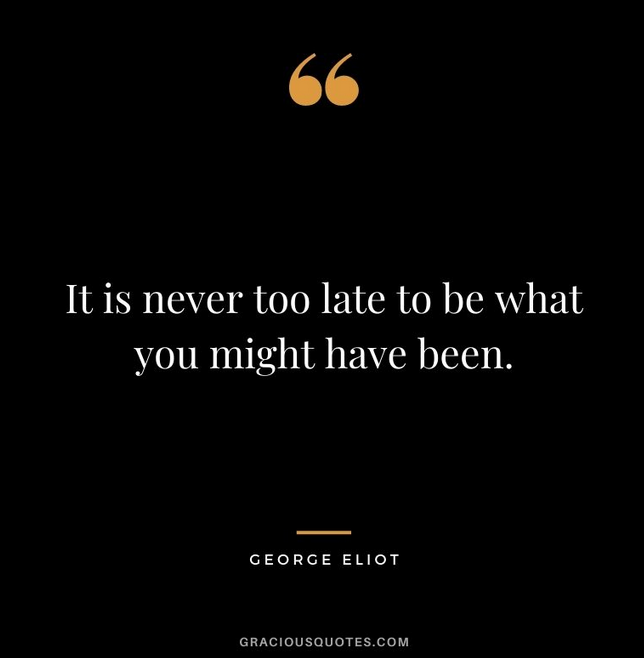
Moradi’s favourite quote
“I’m 36-years-old and I’m doing this now. No one would believe I would go from rehab, to university, to building an app all in two and a half years.”