
Bodies, Bodies, Bodies, Bodies
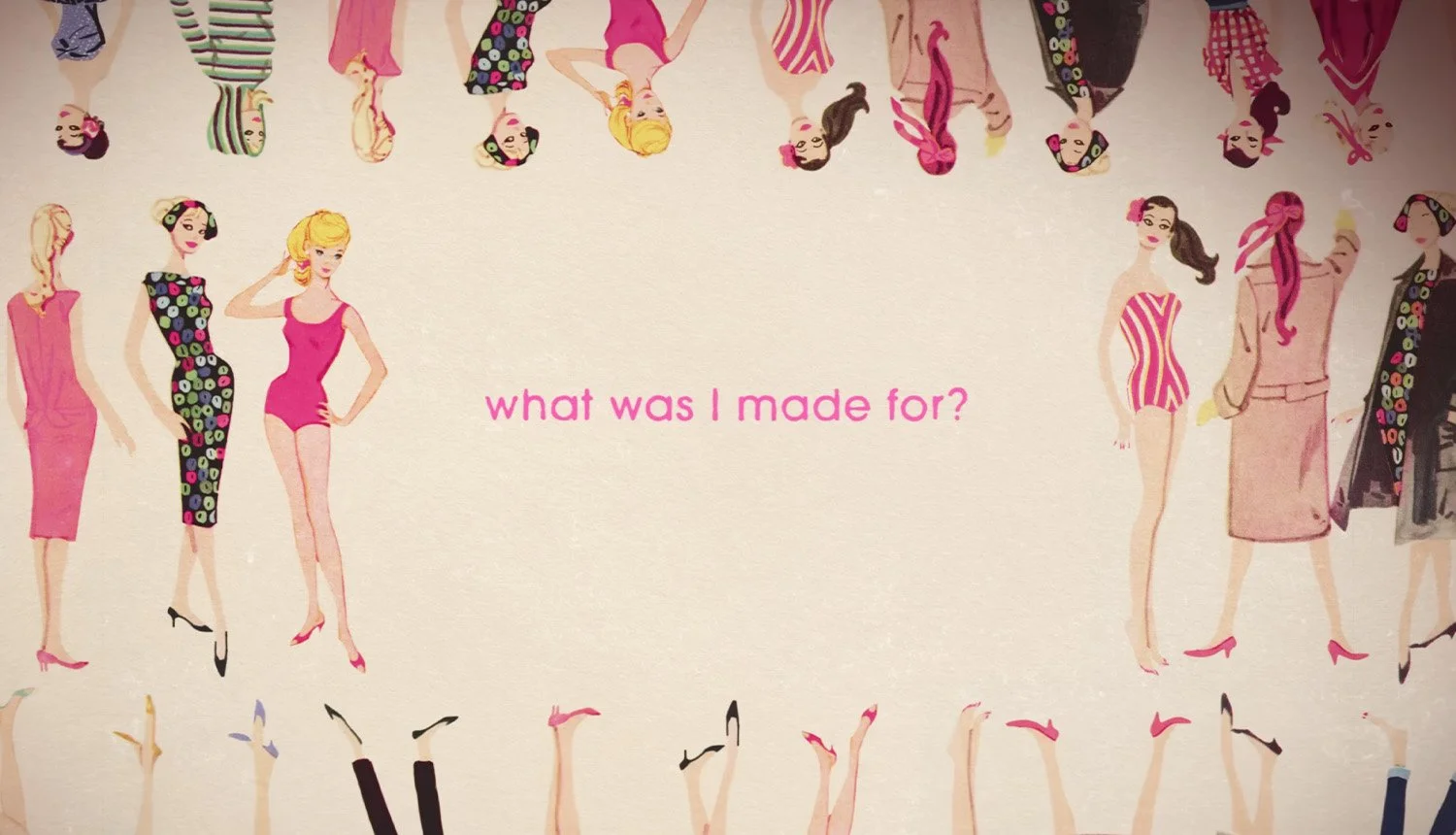
Billie Eilish - What Was I Made For? (Official Lyric Video)
As the temperature rises and the sun is revealed, we collectively jump from our couches and beds, stop scrolling on TikTok or bingeing Love Island, and head for patios, cottages, and beaches. This means the mall is teeming with skimpy string bikinis, hot pants, and tube tops. Everywhere you turn (or scroll), you find ads of tan, toned, and thin models whose hairless and blemish-less limbs are oiled for the camera, and the envy of women and teens everywhere. You see the model in the bikini, imagine yourself looking like her, emerging from the water onto the beach like a sea goddess, and try it on. Under the blinking lighting of the narrow changing room, and the curtain that never fully closes, you look at the mirror and see belly fat spilling from the top of the bikini's bottoms, cellulite and your chest falling out of the string top. Shame sinks in and you admonish yourself for becoming too comfortable during the winter months. Heading home, you skip dinner and hide under the covers in shame. You scroll. Your algorithm must sense your shame and inundate your senses with calorie deficits, workout routines, and GLP-1s. Maybe the shame at having “let yourself go” pushes you to eat 12,000 calories a day, start strength training or go to Pilates five days a week, and walk (minimum) 10,000 steps a day. Maybe you join a community of like-minded people who compare weight-loss journeys and push you to keep losing weight. Maybe you stop going out with friends because activities are too food centered and stop going to your grandparents on Sunday because there’s simply too much food. Maybe you will start to have GI problems. Maybe you return to the mall and fit into the bikini. Maybe your hair starts to fall out. Was it worth it?
The scenario above has been occurring in change rooms across the nation. For women and girls, summer means body surveillance. The more skin shone, the more pounds that must be shed. But is it that serious? Is fitting in a triangle bikini worth missing out on ice cream and beach fries and backyard barbecues? Will being a 00 (or even a 000) make you happy?
I don’t want to be too harsh on my fellow woman or young girl. I personally hate shopping for summer clothes and swimsuits and always feel embarrassed when I need to size up or when a cut is simply not built for my chest. It is difficult to accept the way you look when mannequins keep getting smaller; celebrities and influencers are having protruding clavicles and cheekbones and adding and removing curves whenever the trend cycle shifts. With the trends and which body is considered “tea” changes as erratically as the weather, how can any of us be expected to keep up or be happy with what we have?
I also understand that our bodies have become representative of our identities and moralities. In society, thinness has become representative of one of the two pillars of North American culture: individualism. Thinness equals discipline and self-reliance; fatness equals laziness and lack of care, muscle equals diligence and health-consciousness, and obvious plastic surgery/glp-1 usage makes you a tacky cheater. Not going to the gym is a moral failure; if you aren’t focused on building muscles, do you even care about your independence as you age? If you gain weight while in a relationship, do you even care about what your partner thinks of you?
In these uncertain times, many feel that the only thing they can control is their body. Many consider the body to be the only place in society where the idea that hard work pays off still rings true. The key to confidence is discipline; going to the gym every day, calorie-counting, refraining from vices like sex, alcohol, and sugar. The best you look, the better you’ll feel. Want to avoid overconsuming? Hit the gym, you’ll fit in your old clothes in no time. While this seems like promoting health on the surface, I take issue with the morality of it all. Working on the perfect body, cutting out all worldly pleasures, makes you admirable. This belief that our bodies reflect our worth and inner goodness is inherently problematic. It reduces our humanity to what our bodies can offer; strength and beauty. It reduces men and women to action figures and Barbies.
One should also note the marketing of it all. Should we let ourselves alter our bodies to fit standards set up by an industry to sell more clothes? Frankly, I find it repulsive that we allow major fashion companies and the celebrities and influencers they sponsor, to make us hate our bodies, and punish ourselves, removing what makes us happy and keeps our bodies functioning in the name of discipline. There’s also something sickening about mocking women for looking nourished, when across the globe so many have so little. I mean, imagine explaining to a mother who could no longer feed her child due to man-made or climate induced famine. It makes our concerns and insecurities seem so...privileged. Our all-consuming focus on reducing and shrinking, prevents us from connecting with others and bettering ourselves from the inside. It even keeps us from questioning the ethics of worshipping the arbitrary standards set by fast fashion companies; how they abuse the poor teenagers who model their clothing or how they bust unions to keep the women and girls making their clothes under some of the most unsafe working conditions in the world. Why should we as women, put so much stock in what these misogynistic institutions want for us?
With all things considered, I want women to liberate themselves from body surveillance. There is nothing morally wrong with not being conventionally attractive or not being at the pinnacle of fitness. There is nothing morally wrong with not fitting into the bikini. You don’t have to constantly optimize your body. You are more than beauty, strength, and desirability. You are more than what your body can offer. You are more than your body. You are more than a body.