
16+ Ban for Social Media? It might make things worse
Cover photo taken from DW News
On the 10th of June 2026, the House of Commons had its first reading of a proposed piece of legislation – Bill C-34, the Digital Safety Act and the Digital Safety Commission of Canada Act. One of the most prominent features of this new legislation is the introduction of mandatory age-verification for social media usage with a minimum age requirement of 16 years.
This bill is poised to establish a Digital Safety Commission with authority to regulate content on social media platforms and order trial hearings for non-compliance on the part of tech corporations.
Regulations also apply to AI-powered chatbots such as Chat-GPT, Claude, and Gemini where conversational limitations, strict standards of operation and responsibilities will be assigned to the platforms.
To no surprise, the bill has been met with resistance from policymakers and the public alike citing privacy concerns and youth oppression for freedom of speech. The most pressing concern, however, may be the abruptness and regulative aggression of this bill rather than its legislation.
The Lance conducted a focused consensus on UWindsor’s community questioning whether Bill C-34 should be passed or not. Over 68% of respondents expressed their support for the social media ban citing concern for youth upbringing and development.
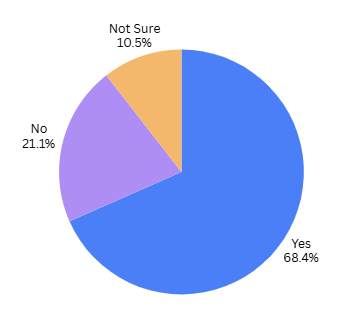
Do you agree with the legislation of Bill C-34?
“There needs to be child friendly spaces on the internet websites like jump-start, neo pets, and cool math games can be heavily monitored to prevent dangers to kids. Online safety should also be taught in schools because kids now are too willing to give out personal information” said one respondent.
Bill C-34 is a legislative event that is years in the making since the dawn of widespread social media usage which opened the floodgates for algorithmic digital infrastructure to pour into our lives - A titanic circuit of commercial activity which thrives off our information and feeds the global economy using AI-powered computer systems all woven together through deep-sea fibre optic cables. Whilst this technological revolution has been at foot for just about three decades, its impacts on human civilization are astronomical, immeasurable, and most importantly, completely disregarded by the handful of companies in charge.
On the 21st of May 2026, the Superior Court of Los Angeles settled a hallmark trial between the social media empire Meta and the victims of its platforms’ addictive user interface and experience. Meta settled with payouts for the plaintiffs as monetary compensation for the damage its platforms had done to their mental health.
It has long been apparent that social media usage is directly linked to mental health issues. Conditions of social anxiety, depression, and loneliness are amongst the most common outcomes of usage. A simple solution such as complete avoidance of social media usage has become almost impossible given how deeply integrated social media networks are to our personal, professional, and social lives.
Adolescents with developing brains and poor judgment over self-image are most prone to suffer the effects of algorithmic content feeds hijacking their sense of self-worth, political values, and their desire to participate in society.
Canada appears to be following suit with its cousin nation Australia, the United Kingdom alongside certain European nations such as Norway. All these countries have recently imposed similar legislation banning access to social media for people below 16 years of age and enforcing strong regulations on AI chatbots.
Setting an age restriction for accessing social media platforms is similar to legal age restrictions for the purchasing of alcohol, cannabis, and accessing adult entertainment. There has always been a way around it. Perhaps like Australia, Canada is following an impulsive legislative pathway in response to widespread societal issues caused by social media networks. The effectiveness of preventing youth from accessing social media remains a challenge.
Kids love to rebel, and banning social media provides an excellent opportunity to demonstrate their enthusiasm for breaking the rules. According to an analysis conducted in Australia, a staggering four in five teenagers are still gaining access to social media despite the ban.

Read our article on youth literacy amid an age of AI and social media
Bill C-34 appears to be yet another political arena where the conservatives and liberals may trade blows in the future. One end may advocate against the ban citing adolescent independence rhetoric and the other bringing the focus back on protecting children. A pathway that has seen gun ownership rights, abortion rights, and even same-sex marriage. Whilst each of these topics have their own complexities and dynamism, they all share the same political static that shrouds attention from the citizens affected by the issue to the argument.
Overall, true protection from the dangers of social media requires systematic intervention, not just aggressive legislation. One respondent in our consensus proposed the following actions on part of the Canadian federal government:
“Up-to date/modern/relatable educational programming about Internet Safety [as well as] widespread and well-funded media literacy education so people under 16 can be smarter digital citizens"
Another respondent pushed for more school-based intervention and education – “Mandatory coursework in elementary and high school education for learning to navigate the internet safely — including the pros and cons of social media connectivity”.
It Is also worth noting that the algorithmic radicalization and addiction of content feeds have seduced children as well as older adolescents and adults around the world. There is no age-based cutoff from the dopamine cycle that people are hooked on when it comes to scrolling Reels and TikToks.
